


Barcelona food guide: "Eat the city like a true local"
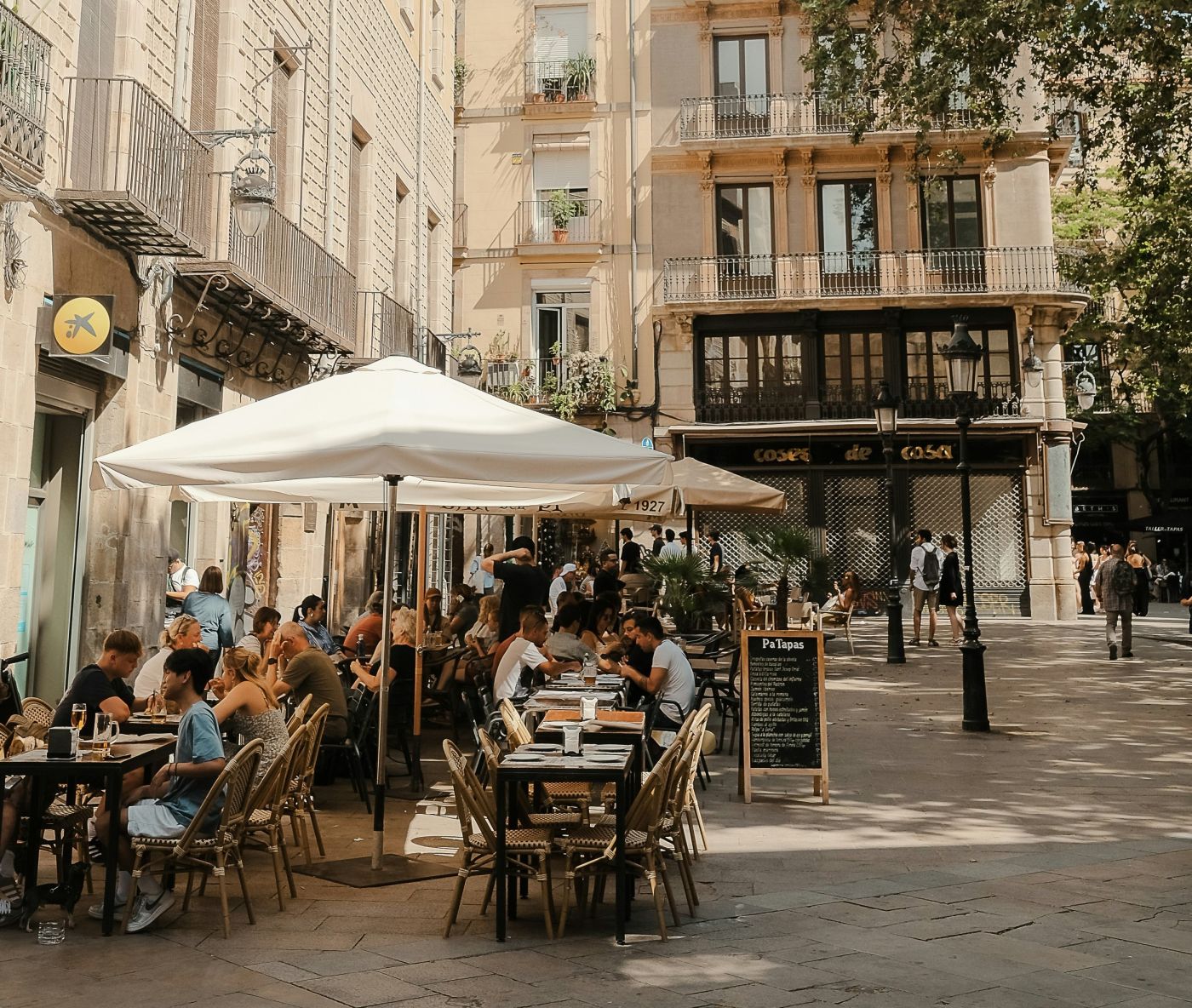
Barcelona is not just a city you visit; it is a city you savor. For those who have just landed, ready to squeeze every drop out of a new chapter in their lives, gastronomy is the finest gateway to Catalan culture. Here, food is a ritual—meant to be shared, lingered over, and enjoyed without any rush.
Forget the tourist menus with photos on chalkboards and the frozen paellas of Las Ramblas. The true gastronomic wealth of the Ciudad Condal (Count's City) combines an absolute respect for local, seasonal ingredients (mar i muntanya—sea and mountain) with overflowing creativity.
If you want to start eating with discernment and understand why this city is a global culinary temple, this is your essential route.
The Vermouth ritual and all-time classics
In Barcelona, the weekend officially kicks off with "la hora del vermut" (vermouth hour). It’s not just a drink; it’s an excuse to gather before lunch in traditional, old-school bodegas with wine barrels and terrazzo floors.
What to order: A house vermouth, anchovies from L'Escala, boquerones (pickled white anchovies), stuffed olives, and the iconic potato chips drizzled with Espinaler sauce.
The top spot: Bodega Quimet & Quimet (in Poble-sec). A tiny, standing-room-only spot with walls packed with bottles to the ceiling, famous for its spectacular montaditos (tapas on bread) and gourmet canned goods that elevate the aperitif to an art form.
Rice: much more than a sunday dish
Rice in Catalonia is serious business. The coast's seafaring tradition and fresh garden produce merge into dishes that shun artificial yellow food coloring to seek the deep flavor of a well-made sofrito (the secret to everything).
What to order: An arròs a banda (rice cooked in fish stock), a brothy lobster rice (arròs caldós de bogavante), or the iconic arròs negre (black rice with squid ink, served with a good homemade alioli).
The top spot: Can Ros (in Barceloneta). Far from the overcrowded restaurants of the boardwalk, this hidden gem in the streets of the old fishermen's neighborhood keeps traditional Barcelonian seafood cuisine alive, with rice dishes that truly taste of the sea.
Platillos and tapas with identity: formatted for sharing
Forget about ordering individual main courses. Here, you come to share platillos (medium-sized portions that let you try a bit of everything) in taverns that reinterpret Catalan recipes with a modern twist, always accompanied by crispy tomato bread (pa amb tomàquet).
What to order: Roasted meat croquettes (croquetes de rustit, homemade), capipota (a traditional, incredibly tender and gelatinous stew), or a mar i muntanya (dishes combining meat and seafood, like meatballs with cuttlefish).
Some top spots:
Pepa Bar a Vins: In the Eixample, perfect for understanding the city's current trend: impeccable market-to-table cuisine and a killer natural wine list (the great revolution of local cellars).
Bar Alegría: In Sant Antoni, a restored Modernist classic that nails everything from ensaladilla rusa (potato salad) to the most creative seasonal small plates.
Fresh produce paradise: markets beyond La Boqueria
To truly appreciate the local cuisine, you have to see where the ingredients come from. While La Boqueria has historical charm, locals shop and eat in neighborhood markets—authentic temples of fresh produce.
The top spot: Mercat de Santa Caterina or the newly renovated Mercat de Sant Antoni. Getting lost among the fishmongers, butchers, and seasonal vegetable stalls is an incredible experience. For a bite to eat, sit at the market bars themselves (like Bar Joan or Cuines Santa Caterina) to savor ingredients cooked straight from the counter to the grill.
Are you looking for the perfect mid-term rental apartment in Barcelona to have these gastronomic gems right around the corner? At aTemporal, we make sure you find your ideal home in the city's best neighborhoods.